
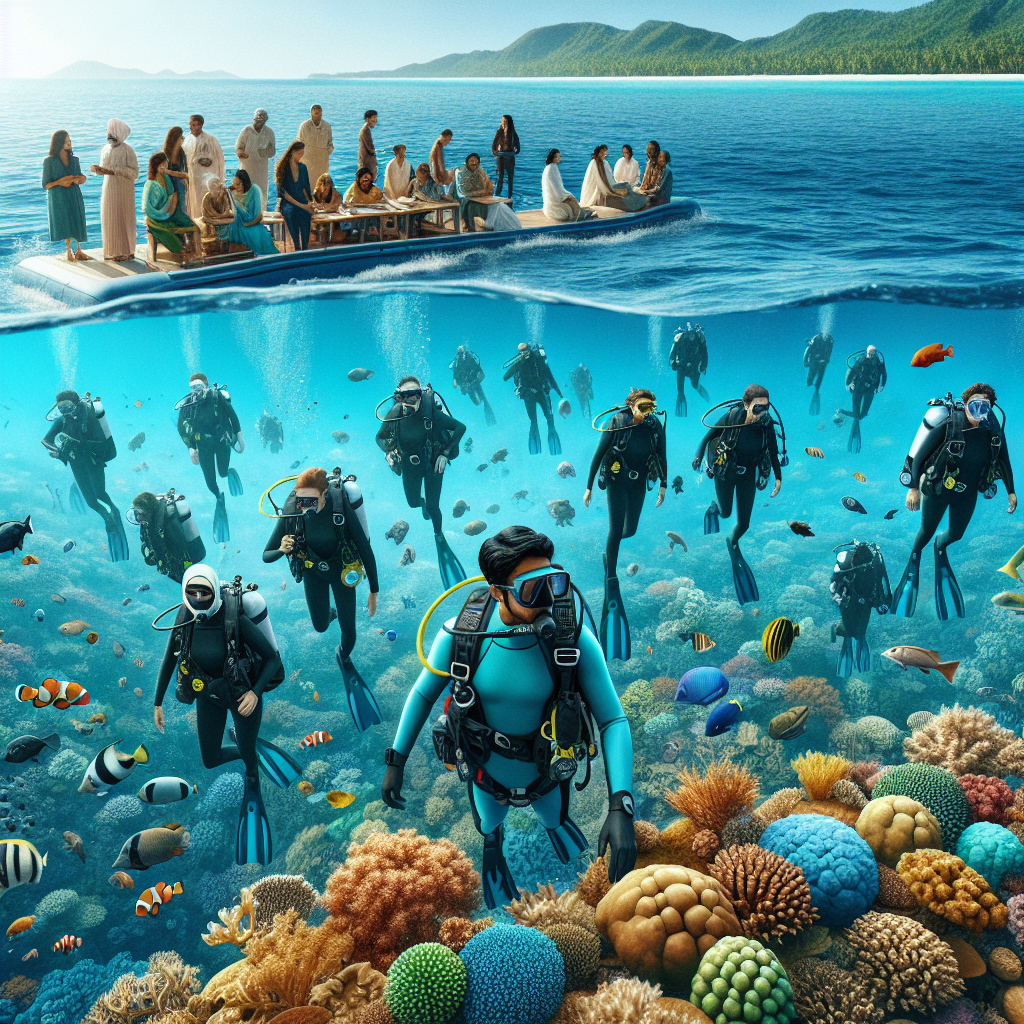
PADI, a globally renowned diver training organization, partners with the Adventure Tour Operators Association of India (ATOAI) to transform India’s scuba and adventure tourism. This collaboration centers on diver safety and sustainable wildlife tourism, promoting India as a top-tier diving destination.
The Importance of Diver Safety and Training
Diver safety and rigorous training are the linchpins of a thriving scuba diving industry. In the domain of dive tourism, ensuring high safety standards and comprehensive training protocols is not merely adherence to best practices but a moral obligation to protect lives. For India, emerging as a distinguished diving destination on the global map, embracing these standards is crucial. It aligns with international expectations, fosters trust amongst potential divers, and establishes a sustainable model for the industry’s growth.
The role of PADI’s international frameworks becomes pivotal in this narrative. As a globally recognized organization in scuba diving, PADI’s commitment to safety and education has long been acknowledged as exemplary. Their frameworks extend far beyond the realms of basic safety; they encompass structured pedagogies, standardized certification processes, and a robust ecosystem that places diver welfare at its core. By aligning with these frameworks, India stands to elevate its own facilities and services to meet international benchmarks, thus catalyzing its acceptance in the worldwide scuba community.
Implementing superior safety measures ensures that divers have confidence in India’s diving practices. This confidence is indispensable if India is to attract a diverse audience of professional divers, tourists, researchers, and marine enthusiasts. By implementing PADI’s training standards, everyone involved in diving tourism can benefit from advanced dive instructions, assessments, and hands-on experience in handling underwater situations. This readiness drastically lowers the risk of accidents, safeguarding both divers and the environment.
Aligning with global best practices offers ancillary benefits too—it can drive enhanced revenue, improve operational efficiencies, and boost the reputation of Indian dive centers. With stringent adherence to international safety norms, diving destinations can reduce liability issues and potential legal hurdles, making the business avenues surrounding dive tourism more lucrative. This alignment is not a one-time upgrade but an ongoing commitment, requiring periodic audits, updating the facilities, and continuing education of diving instructors and guides, thus establishing a continuous cycle of improvement and higher safety standards.
Harnessing the power of technology is another key aspect intertwined with safety and training. PADI’s frameworks often include advanced technologies that facilitate rapid response to emergencies, precision in diver communication, and enhanced monitoring of underwater conditions. Implementing such technologies in India’s diving locales can result in swifter distress management, improved medical responses, and the creation of a connected ecosystem where safety isn’t just monitored but anticipated.
One must also consider the role of the Adventure Tour Operators Association of India (ATOAI). While PADI may lay down the foundational standards for individual divers and instructors, ATOAI plays an instrumental role in integrating larger tour operations into this safety culture. This collaboration can stimulate a macro perspective, where entire diving expeditions are planned with a comprehensive attention to detail on all safety parameters. ATOAI can facilitate workshops, certifications, and field operations that ensure tour operators not merely meet, but exceed established protocols. By working in synergy with PADI, they can develop and promote educational initiatives targeting both new entrants in the industry and veteran operators looking to enhance their offerings.
Moreover, aligning with such global best practices opens the doors for international certifications and accolades. Resourceful associations backed by rigorous safety protocols can lead India to win accolades like diving sustainability awards or global diving centre endorsements—each accolade further boosting its stature on the global platform.
In addition, having structured training efforts uplifts the skills of local diving professionals. Indian dive instructors, trained under the aegis of PADI’s structured programs, are more likely to be in demand, both locally and globally—an elevation of career prospects for individuals in the industry.
Another layer to India’s safety initiative is the protection of coastal and marine biodiversity. By enforcing stringent guidelines, PADI and ATOAI can jointly propagate not just human safety, but also sustainable interaction with marine habitats. This protects delicate ecosystems from human interference and cultivates an ethos of respect and conservation within the diving community, ensuring that India’s natural diving resources remain pristine and attractive to divers worldwide.
All these elements culminate in a synchronized effort that exemplifies how vital safety and training are to the holistic development of India’s scuba diving industry. With the intellectual framework of PADI and the organizational capabilities of ATOAI, India is set to integrate diving safety into its core operational methodologies. This integration promises to transform the country’s scuba diving landscape into a model that balances adventure with responsibility, preparing Indian tourism to seamlessly segue into being globally competitive.
For organizations looking to elevate themselves in the same vein, the notion of mastering their own version of safety standards can draw lessons from how India might implement these initiatives. For an insightful guide on mastering the concepts and applications of various professional fields, “Understanding Inventory Management: A Comprehensive Guide” could provide analogous operational insights which are fundamentally valuable across sectors, including dive tourism.
Elevating India as a Premier Diving Destination
The strategic collaboration between PADI and ATOAI is poised to transform India into a premier destination for diving enthusiasts worldwide. By showcasing the country’s unique marine offerings and expanding the narrative beyond the classic tourist attractions, this partnership aims to position India prominently on the global diving map. To gain international visibility, the two organizations have devised innovative strategies, including active participation in renowned trade fairs and exhibitions across the world. Such platforms will allow India to effectively highlight its diverse marine landscapes, potentially attracting a significant inflow of global diving tourists.
Participating in international trade fairs is a powerful tool for promoting India’s diving destinations. These events offer a stage to present India’s diverse underwater ecosystems directly to the travel community and adventure enthusiasts. Detailed presentations and interactive sessions conducted during these fairs can captivate audiences with insights into India’s lesser-known marine attractions. Rendered through vivid imagery and captivating stories, these showcases will reveal India’s underwater treasures, generating intrigue among potential visitors. Attendees ranging from travel agents to adventurers often make significant decisions based on the presentations they experience at these events.
This global promotion will have ripple effects that transcend immediate tourism gains. Increased tourist influx will drive economic growth and significantly affect local economies. Tourist demand for diving services, accommodations, dining, and transportation will stimulate job creation. Local businesses will thrive, fostering a positive loop of economic prosperity. Furthermore, diving tourism offers a unique advantage. It can transform remote coastal communities, offering them sustainable employment opportunities. Establishing local dive operators, guides, and marine experts will enrich these communities culturally and economically. It will also incentivize the preservation of the environmental resources that draw tourists in the first place.
India boasts several world-class dive sites that can be showcased at these fairs, enticing divers seeking novel locations. The Andaman and Nicobar Islands, with sites like Havelock Island and Neil Island, offer pristine waters teeming with marine life. They provide visitors with an unparalleled diving experience amidst vibrant coral reefs and schools of fish. Netrani Island, often referred to as the “Pigeon Island”, promises a rich underwater environment along the western coast. Lakshadweep’s Agatti and Bangaram are known for their crystal-clear waters and are emerging as popular diving hotspots. Showcasing these extraordinary sites at influential international forums will solidify India’s reputation as a diving destination par excellence.
The long-term economic impacts of promoting India as a prime diving location are profound. As the nation gains exposure, there will be an inevitable increase in foreign investments in the tourism and hospitality industries. Direct and indirect employment stemming from tourism grows, benefitting guides, instructors, boat operators, and retailers of diving gear. Moreover, increased activity in the hospitality sector will invoke quality improvements in service and infrastructure. This, in turn, fortifies India’s position as a welcoming and vibrant destination for divers.
Importantly, coastal and island communities benefit from the spotlight on diving tourism. Traditional job opportunities like fishing can be supplemented or even replaced by roles in tourism. The transformation of these communities into vital tourism assets requires planned investment and strategic tourism management. Training programs in dive guidance, hospitality, language proficiency, and customer service will become crucial. As locals embrace these tourism-driven roles, communities will naturally evolve to meet the standards expected by international travelers.
Environmental conservation becomes another pivotal aspect of this grand plan. By elevating India on the diving map, there is added responsibility to protect these natural wonders. With PADI’s influence and ATOAI’s localized knowledge, establishing a culture of sustainability will be crucial. Increasing tourist numbers must align with preserving marine environments, preventing over-exploitation of underwater ecosystems. The collaboration provides opportunities for divers to engage in conservation-driven diving experiences, fostering a sense of responsibility among visitors. These efforts will ensure that India’s renowned dive spots remain ecologically sound for generations to come.
The joint initiative also focuses on holistic community involvement. Local populations will be educated on conservation practices, establishing a new socio-economic reality based on eco-friendly tourism practices. In so doing, PADI and ATOAI’s collaboration not only seeks to boost tourism but also aims to transition Indian coastal cultures toward a sustainable, tourism-driven economic model.
Diving enthusiasts today seek experiences that couple adventure with sustainability. By aligning with this trend, India can offer unparalleled opportunities for eco-driven diving exploration. As these dynamics unfold, India’s allure as a premium dive destination will be solidified. This multifaceted approach—melding international promotion with local development, job creation, community enhancement, and environmental conservation—ensures mutual benefits. The nation stands to gain environmentally, economically, and socially. PADI and ATOAI’s efforts are paving a visionary path for India, encompassing much more than superficial gains. Their work sets the foundation for a flourishing tourism ecosystem rooted in respect for nature and sustained by the communities that cherish it.
Promoting local diving sites at trade fairs and industry events, developing collaborative frameworks, and advertising India’s diving appeal are part of a well-rounded strategy. This partnership is driven by conscious efforts to integrate economic growth with ecological balance, aspiring to turn the nation into a diving haven. As global recognition grows, innovative practices and strategic alliances continue to draw in the adventurously inclined. This illumination on India’s potential will bring to light exceptional opportunities for divers worldwide, all while supporting the sustainable transformation of India’s coastal regions. To further explore how strategic international exposure can impact diverse industries, you might find the blending of digital marketing techniques intriguing, paralleling how trade fairs enhance India’s global diving identity.
Balancing Sustainability and Adventure Tourism
When PADI and ATOAI join forces, their shared commitment to balancing tourism growth with sustainability becomes a crucial element of their strategy. Both organizations recognize the delicate dance between catering to the aspirations of adventure tourists and ensuring the protection of India’s natural marine resources. Their collaboration promises to integrate dynamic strategies focused on sustainability, intensive conservation efforts, and community engagement.
One core strategy they plan to implement involves community-driven conservation efforts that actively engage local populations. These efforts focus on vital tasks such as beach cleaning initiatives and marine protection activities. By involving local communities in these projects, PADI and ATOAI not only foster a sense of ownership among the inhabitants but also create job opportunities, further rooting economic benefits in local structures. Regular beach clean-ups, for instance, are not only about maintaining aesthetic appeal but also about safeguarding marine life from the threat of pollution. Collectively, these initiatives help prevent waste from entering the oceans, subsequently reducing harm to marine ecosystems.
Marine protection activities constitute another significant area of focus. These practices include creating protected marine environments and ensuring stringent regulations against destructive activities such as illegal fishing or coral harvesting. Establishing these protected zones requires logistic oversight and community enforcement, so local people are trained and appointed as marine custodians. By nurturing local expertise, these areas can thrive, providing a sanctuary for marine life while simultaneously becoming carefully managed tourism attractions.
In practice, these community-driven efforts elevate the standards for sustainable tourism operators. PADI and ATOAI’s decision to ground their operations in sustainability poses an important example across the global diving industry. The effectiveness of such practices encourages other regions to adopt similar models, creating a ripple effect of sustainable tourism. Protecting marine biodiversity becomes not just a necessity but a benchmark in tourism standards worldwide.
Public awareness and education are the cornerstones of catalyzing public support and understanding of these efforts. The partnership will involve campaigns that reach an international audience through digital channels and offline events. Extensive workshops and seminars are tailored to educate both tourists and locals about the importance of marine conservation. Displaying the detrimental effects of activities like coral bleaching or unchecked waste disposal helps participants comprehend the pressing need for continued preservation efforts.
In addition to awareness campaigns, educational initiatives directed at schools and local communities cultivate an early interest and investment in marine conservation. The youth, taught about the benefits of sustainable tourism, is more likely to grow into generations that value and protect their natural environments. By embedding such values early on, there is a long-term shift toward comprehensive environmental consciousness.
To further reinforce these educational campaigns, PADI and ATOAI plan to use digital platforms to reach a global audience. They employ online resources, creating immersive content that showcases India’s stunning dive locations and the behind-the-scenes efforts required to keep them pristine. This content serves as powerful educational tools while also promoting maritime India as an ecological treasure trove.
Distinct from merely promoting sites, the digital content will depict the reality of sustainable practices. For example, detailed narratives about specific projects, like endangered species protection, can be both educational and inspiring. Enhanced with visuals, these stories captivate audiences, encouraging them to contribute to the preservation of natural beauty through responsible tourism.
Each of these strategies—community-drive conservation efforts, the establishment of marine protection areas, and extensive educational outreach—underpins the joint PADI and ATOAI commitment to promote sustainable diving tourism in India. This balanced approach not only ensures the longevity of India’s dive sites but also builds a resilient framework through which local communities thrive. Economic growth through tourism is matched by environmental stewardship, forming a harmonious model for others to emulate. As such, these initiatives foster a tourism sector that is both aware and proactive about its impact, creating a responsible, adventurous, and ultimately sustainable diving destination.
In their pursuit of promoting safe dive tourism, PADI and ATOAI are, in essence, trailblazers in redefining the relationship between adventure tourism and ecological stewardship. Their collaboration ensures not only the strategic development of India’s dive tourism potential but also acts as a catalyst for setting international standards in sustainable tourism practices. These efforts align seamlessly with effective marketing strategies that reinforce India’s enchanting underwater charm as a must-visit diving destination, steering global conversations towards more environmentally conscious tourist practices. As the message of conservation balances with promotional activities, PADI and ATOAI’s initiative becomes a model of marrying economic growth with the preservation of natural resources—a potent combination that transforms local and global tourism sectors alike.
Final words
The partnership between PADI and ATOAI holds the promise of uplifting India’s diving tourism through safety and sustainability. By leveraging PADI’s expertise and ATOAI’s local knowledge, India is set to emerge as a global leader in adventure tourism. This initiative not only boosts local economies but also fosters environmental preservation.