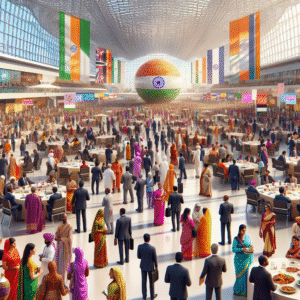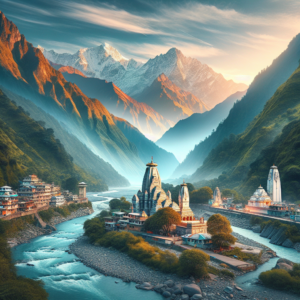
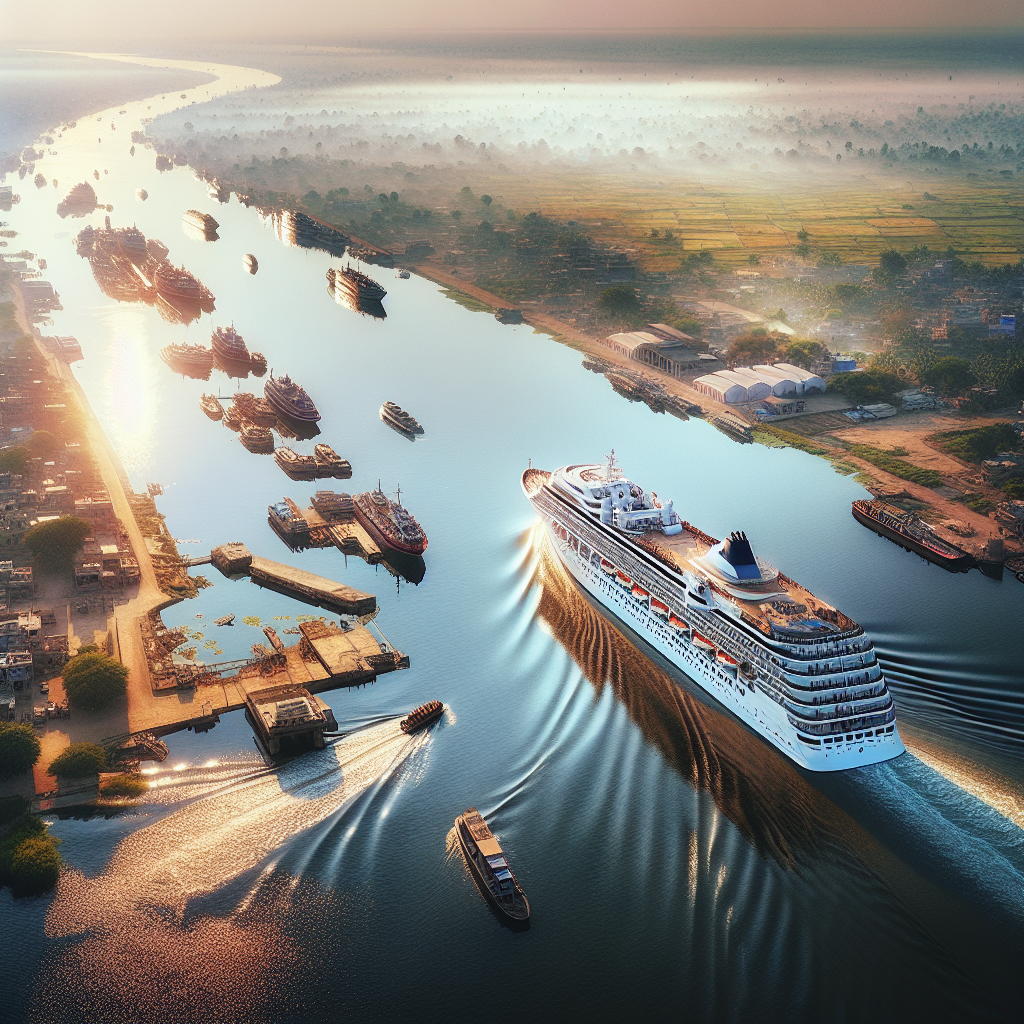
India is on the brink of a monumental shift in cruise tourism with the Cruise Bharat Mission, planning 51 new circuits by 2027 across 14 states and 3 UTs. Viking Cruises’ forthcoming venture into India’s river cruise sector further signifies the burgeoning interest. Discover how these developments are set to enhance India’s position as a leading leisure destination.
The Rise of India’s Cruise Tourism
India’s cruise tourism sector has shown a steady evolution, growing from a niche segment into a burgeoning industry. This growth is marked by the Indian government’s decision to introduce 51 new cruise circuits, a move that could redefine the country’s tourism landscape. This expansion signifies not only increased accessibility to breathtaking destinations but also an extraordinary leap in the capacities and capabilities of India’s tourism infrastructure.
Over the years, India has recognized the untapped potential in its coastal and riverine routes. The country’s diverse geography offers a rich tapestry of experiences, perfect for cruise tourism—a segment once limited to the elite few. The government’s action in launching these new circuits is critical in democratizing this mode of travel, making it more attainable for both domestic and international tourists.
The decision to launch 51 new circuits aligns with the broader economic development plans. It is part of the initiative to boost tourism and regional economies. The routes cover both the coastline and the inland water networks, such as the Ganges and Brahmaputra rivers, ensuring widespread regional benefit. This initiative is expected to create numerous opportunities and catalyze a ripple effect benefiting local communities, businesses, and the national economy.
Past developments in India’s cruise tourism laid the foundation for such a massive expansion. In its earlier stages, the focus was primarily on improving port infrastructure and facilities. Major ports were insufficient for accommodating modern cruise vessels, which necessitated extensive modernization efforts. Today, advanced terminals with state-of-the-art facilities are being constructed or upgraded to meet international standards. These developments not only improve docking and boarding processes but also enhance the arrival and departure experience for tourists.
Additionally, the introduction of modern vessels has reshaped passenger expectations. Older ships offered limited amenities and experiences, but newer vessels are equipped with luxurious accommodations, fine dining, entertainment options, and leisure activities. These ships are designed to offer unique experiences that appeal to a variety of travelers, including families, solo adventurers, and luxury seekers. This focus on delivering exceptional value and experience has been instrumental in attracting more tourists towards cruise tourism in India.
The government’s role in pushing for these developments is both strategic and multifaceted. By investing in the cruise industry, the government aims to drive job creation, local business growth, and infrastructural advancements. These efforts are complemented by policies aimed at easing travel restrictions and administrative processes for cruise operators. Streamlined processes can result in faster approvals for new routes and facilitate a supportive environment for private investments.
Furthermore, partnerships between public and private sectors are crucial in this expansion, particularly in terms of infrastructure development. Port authorities, cruise lines, and local businesses are working collaboratively to envision a future where cruise tourism is a mainstay of India’s travel industry. This is particularly crucial as cruise demand rises and competition with international destinations intensifies.
The economic impact on regions involved is expected to be significant. As cruise tourism grows, local businesses—such as hospitality services, restaurants, and craft markets—stand to benefit from increased tourist traffic. Employment opportunities will likely see a surge, from crew positions on these vessels to jobs in related services on the mainland. It is not only about direct employment; secondary and tertiary sectors stand to gain through the supply chain that supports these expansions.
Reaching rural and previously inaccessible regions gives cruise tourism the potential to revitalize economies struggling due to isolation or lack of traditional tourism infrastructure. Supporting these regions aligns with national development goals, narrowed economic disparities among the states, and fostering inclusive growth.
Developments in technology are another driver of this industry’s growth. Advances in maritime technology enhance the operational efficiencies of cruise ships, lower emissions, and ensure compliance with international regulations. Moreover, technological innovations are allowing cruise companies to offer unique services, such as virtual tours for guests pre-booking, extensive onboard digital connectivity, and customized travel experiences. To delve deeper into how technology impacts industries similar to cruise tourism, you can explore the nuances of Tech Solutions for Businesses.
These advancements work in tandem with improved government strategies and more efficient operational practices. Together, they create an environment conducive to sustainable and promising growth in cruise tourism.
Importantly, environmental sustainability is becoming a fundamental consideration in the development of the cruise industry. The introduction of eco-friendly ships, reduced waste generation measures, and improved energy efficiency standards are being closely monitored and encouraged. These efforts not only align with global environmental goals but also appeal to eco-conscious travelers who are becoming increasingly significant market segments.
Given these developments, the introduction of 51 new circuits does more than just offer additional routes. It represents a comprehensive transformation of India’s cruise tourism backdrop—one that incorporates modernity with sustainability, regional inclusion with economic advancement, and technology with traditional hospitality. As the nation gears up for this next phase of growth in cruise tourism, the potentials seem as vast as India’s waterways themselves.
While the industry looks to the horizon, stakeholders remain committed to transforming challenges into opportunities. The sector’s resilience and adaptability will be critical to its future success, allowing it to sail smoothly into a promising horizon.
Viking Cruises and River Adventures
Viking Cruises’ strategic entry into India’s river cruise market marks an ambitious development in the country’s burgeoning cruise tourism industry. The launch of the Viking Brahmaputra heralds a new era in luxury river cruising, promising to transform the landscape of local tourism. Nestled along the National Waterway-2 (NW-2), the Brahmaputra River holds the potential to become a pivotal axis for such endeavors in India.
The Viking Brahmaputra, a custom-designed vessel tailored for the unique challenges and beauty of the Brahmaputra River, aims to offer an exceptional experience for its guests. Its introduction is a testament to the growing viability of river cruises in India. The focus on providing high-end amenities and curated experiences underscores the evolving preferences of tourists seeking immersive cultural engagements coupled with luxurious comfort.
**Logistics and Operations**
Operationally, the success of river cruises on NW-2 hinges on meticulously planned logistics. The Viking Brahmaputra stands as a state-of-the-art marvel engineered to navigate the diverse depths and currents of the Brahmaputra. With embarkation and debarkation points strategically located at key cultural and historical sites, the itinerary ensures a rich blend of exploration and relaxation.
The vessel is equipped with modern propulsion and navigation systems tailored to the river’s unique flow patterns and seasonal variations. This ensures safety and reliability, which are paramount to sustaining tourist interest and satisfaction. Sustainability is also paramount, with the ship employing eco-friendly technologies to minimize environmental impact, aligning with global sustainable tourism trends.
**Guest Experience**
The guest experience aboard the Viking Brahmaputra is meticulously curated to reflect both global standards of luxury and the local cultural tapestry. Amenities include spacious cabins with panoramic views, gourmet dining featuring regional cuisine, and guided excursions showcasing Assam’s rich heritage and biodiversity. The river cruise offers opportunities for guests to engage with local communities, artisans, and wildlife conservation initiatives.
Each journey promises a fusion of leisure and education, with interactive sessions on Assamese history, culture, and the significance of the River Brahmaputra. By providing a platform for cultural exchange, the cruise enhances the understanding and appreciation of India’s diverse cultural landscape. It also serves as a catalyst for preserving and promoting indigenous traditions and crafts, which are integral to the region’s identity.
**Impact on Local Tourism**
The introduction of the Viking Brahmaputra is expected to have a profound impact on local tourism. By drawing international visitors, it showcases Assam as a sophisticated eco-tourism destination, catalyzing further investment in the region’s hospitality sector. The anticipated influx of tourists provides a significant boost to local economies, creating demand for ancillary services such as local transportation, guided tours, and artisanal products.
Beyond economic impact, the river cruise is a vehicle for cultural diplomacy, enhancing India’s soft power through hospitality. The ripple effects of increased tourism extend to rural communities whose cultural heritage becomes a centerpiece of the guest experience. Such connections foster mutual respect and understanding, offering a counter-narrative to commoditized mass tourism.
**Employment Generation**
River cruises along NW-2, led by the Viking Brahmaputra, are poised to generate substantial employment opportunities. The demand for skilled labor in hospitality, management, and tour operations is a boon for local professionals. Initiatives to partner with local educational institutions to provide training and certification programs ensure a ready workforce equipped to meet the industry’s evolving demands.
Direct employment aside, multiplier effects in local industries—construction, agriculture, and retail—further bolster job creation. The alignment of such economic opportunities with local development objectives underscores the role of river cruising as a catalyst for socioeconomic progress in Assam.
**Partnerships and Shipbuilding**
A pivotal aspect of Viking Cruises’ strategy includes collaboration with Hooghly Cochin Shipyard Limited for shipbuilding and maintenance endeavors. This partnership signifies a commitment to leveraging local ingenuity and technology in crafting vessels suited for Indian waters. The collaboration stands as a testament to India’s growing maritime capabilities, paving the way for innovations in riverine architecture and engineering.
These partnerships also facilitate technology transfer, bringing advanced shipbuilding techniques into the fold, which enhance India’s global maritime standing. Such endeavors align with the broader national narrative of ‘Make in India,’ promoting indigenous expertise while meeting international quality standards.
Shipbuilding initiatives are complemented by collaborative efforts with local governments and businesses to enhance infrastructural capabilities. This includes upgrading docking facilities, improving accessibility, and aligning with national tourism promotional strategies. Such endeavors ensure that infrastructure growth is sustainable and beneficial for local communities, aligning economic incentives with conservation efforts.
**Conclusion and Forward View**
Viking Cruises, through the launch of the Viking Brahmaputra, demonstrates the potential of strategic maritime development in enriching India’s tourism domain. The fusion of luxury, cultural integrity, and sustainability positions river cruises as a compelling alternative to traditional tourism models. As the connectivity between economic, social, and environmental dimensions strengthens, the promise of this venture extends beyond immediate returns, envisioning a holistic contribution to India’s cruise tourism landscape.
The ripple effects of this strategic entry into the river cruise market underscore the broader potential of India’s inland waterways. With plans for further expansion and new cruise terminals on other major rivers, the foundation laid by the Viking Brahmaputra will open new chapters in India’s maritime tourism journey. As the industry evolves, the continuous synthesis of tradition and innovation will determine the sustainable growth of this vibrant sector. For a comprehensive analysis of these dynamics and strategies, explore insights on maximizing digital and strategic initiatives in the tourism industry.
The Future of Inland Waterways in India
India’s inland waterways are gaining attention, transforming into viable routes for cruise tourism. The shift toward developing new cruise terminals on the Ganga and Brahmaputra rivers promises a surge in tourism and economic activity. The government’s initiative to establish 51 new circuits forms the backbone of this burgeoning sector.
Investment patterns reveal a robust trajectory, with public and private stakeholders eager to capitalize on the opportunities. The central government has earmarked significant funds for the development of waterways. This includes dredging activities to maintain navigability and constructing new cruise terminals. Private players, lured by the potential for profit, are also contributing. They are not just focusing on infrastructure but also investing in technologically advanced, eco-friendly cruise vessels.
Environmental considerations are paramount in this expansion. Any development on such significant waterways as the Ganga and Brahmaputra requires stringent environmental protocols to avoid harming delicate ecosystems. This involves creating comprehensive environmental impact assessments before construction begins. Developers must adhere to regulations that mitigate risks like water pollution and disruption of habitats. There’s a need for cruise operators to adopt sustainable practices, like utilizing cleaner fuel options, waste management technology, and energy-efficient onboard systems.
The regional benefits of expanding inland waterways are manifold. For regions along these rivers, the new terminals promise enhanced connectivity with other parts of India, improving both cargo and passenger movement. This connectivity facilitates regional tourism, potentially transforming local economies. Small towns and cities along these routes stand to gain from increased footfall, stimulating investments in hospitality services such as hotels, restaurants, and local tours. Local artisans and vendors find new markets for their products, leading to more vibrant micro-economies.
Local engagement is crucial in these projects. The regional populace must be involved in decision-making processes to ensure that developments meet their needs and preserve cultural heritage. Employment opportunities are likely to rise sharply, providing jobs in construction, hospitality, and service industries. Communities can benefit from training programs geared toward equipping locals with the skills needed for the burgeoning cruise tourism industry.
Challenges persist, particularly in creating a balance between development and sustainability. Ensuring that the waterways remain ecologically viable while serving as tourist hotspots requires a coordinated approach. There’s also the challenge of maintaining consistent and efficient connectivity, given the varying river conditions influenced by seasonal changes and climate factors. Infrastructure must be resilient, able to withstand such variables to keep cruise operations viable year-round.
International collaboration could play a vital role in this development phase. Partnerships with foreign companies experienced in river cruise tourism would bring valuable insights and innovations to the table. These collaborations could range from sharing best practices in river tourism management to co-investing in infrastructure projects. The aim is to establish India as a global river cruise destination, which necessitates adopting international standards for safety, service, and sustainability.
By focusing on strategic investment, environmental protection, and community involvement, India’s inland waterways can become a sustainable source of growth. The vision to transform rivers like the Ganga and Brahmaputra into thriving cruise destinations is ambitious, yet achievable with the right mix of policies, practices, and partnerships. This transition could redefine travel in India, opening new avenues for both domestic and international tourists.
The long-term prospects depend on ongoing commitment to sustainable development. Stakeholders need to revisit plans regularly, adapting to new environmental data and tourism trends. This ensures the waterways remain pristine yet economically beneficial. Adhering to such a model positions India to be a leader in green tourism.
In the context of digital transformation and evolving maritime trends, leveraging technology could further enhance the efficiency and allure of India’s inland waterways. For instance, integrating advanced navigation and monitoring systems ensures safer and more reliable cruise operations. Digital platforms could facilitate seamless booking and travel experiences, drawing tech-savvy tourists. The expansion of 5G technology offers opportunities to develop smart cruise terminals, providing real-time updates and service enhancements to passengers.
In conclusion, the future of inland waterways in India looks poised for growth. The new cruise terminals on the Ganga and Brahmaputra are not just infrastructural developments; they’re catalysts for broader socio-economic transformation. Through balanced investment, sustainable practices, and international collaborations, these waterways can evolve into thriving economic corridors. The journey holds exciting potential, hopefully ensuring India sails smoothly into a prosperous future for its inland waterways.
Final words
The Cruise Bharat Mission heralds a transformative era for India’s cruise tourism, promising economic growth and global engagement. With new circuits and river adventures led by brands like Viking Cruises, India is poised to become a preferred cruise destination. Continued regional investment and innovative infrastructure will sustain this momentum, enhancing the travel landscape for years to come.