
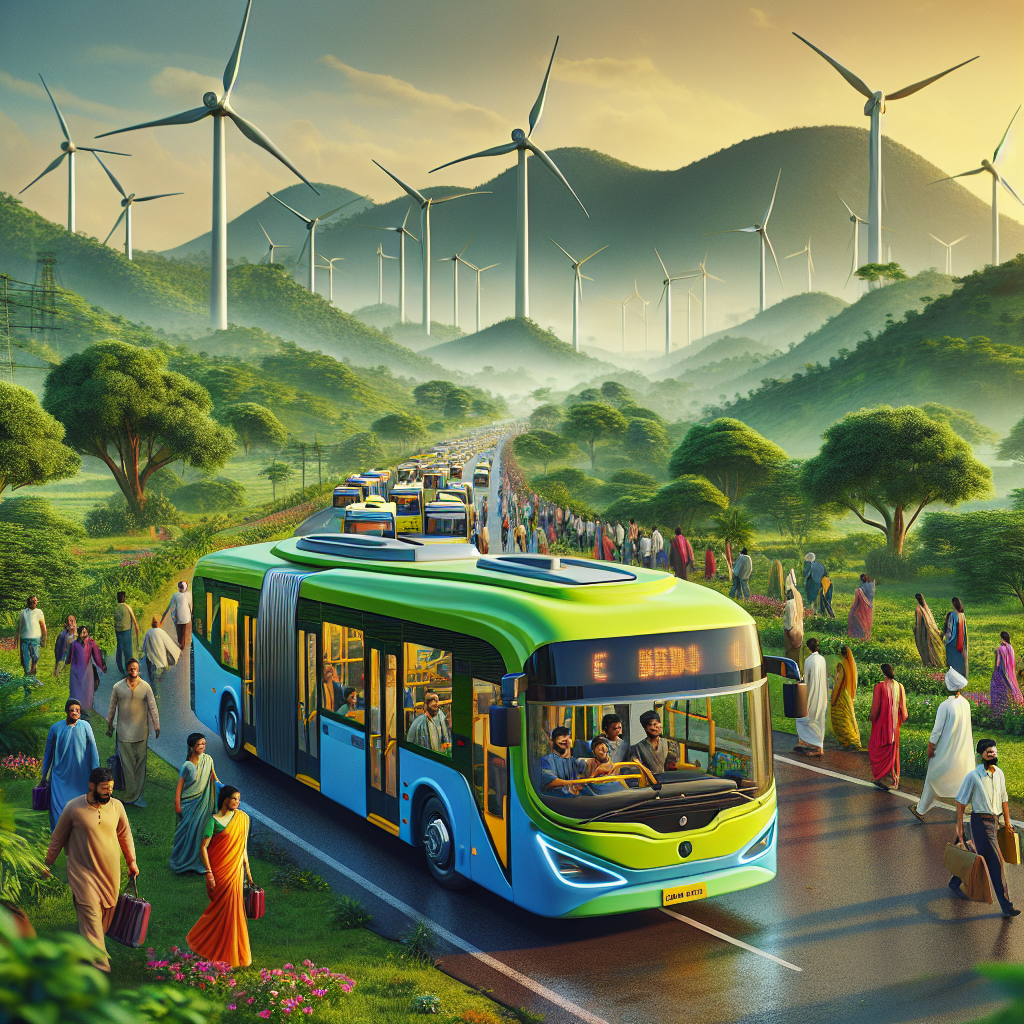
NueGo, operated by GreenCell Mobility, marks three years of transforming intercity travel in India. With a robust fleet of over 300 electric buses, NueGo has set new benchmarks for comfort, safety, sustainability, and inclusivity, all while reducing carbon emissions significantly.
Revolutionizing Intercity Travel with Electric Buses
The transformation of intercity travel in India by the introduction of over 300 electric buses has been nothing short of remarkable. Operating across 120 cities, these buses collectively form a green corridor, ushering a new era of sustainable transport. They not only redefine the way people perceive intercity journeys but also contribute significantly to India’s environmental commitments.
The shift to electric buses has revolutionized intercity travel, carving a path that intertwines comfort, efficiency, and environmental consciousness. Traditional diesel buses, which once dominated long-haul travel, are being outpaced by these electric marvels. Passengers now experience reduced journey times and enjoy quieter, smoother rides, free from the incessant engine noise. The ease with which these buses glide over long distances has captivated even the most skeptical travelers.
Covering over 2,765 million kilometers, this fleet has achieved a feat unparalleled in the realm of eco-friendly transportation. Each kilometer represents a step away from the detrimental carbon emissions that once plagued India’s highways. With every journey, the electric buses circumvent significant quantities of CO2 emissions, marking a substantial stride toward environmental preservation. The transition doesn’t just fulfill the needs of commuters; it actively participates in the global battle against climate change. The implied reduction in exhaust emissions leads to better air quality and, by extension, healthier living conditions for all.
Electric buses stand as beacons of sustainable transportation, embodying the potential to alter national carbon footprints dramatically. Their energy efficiency is commendable; they convert stored electrical energy into kinetic energy with minimal wastage. This is primarily due to the regenerative braking systems that these buses employ. Whenever brakes are applied, they recover energy, extending their range and minimizing charging frequency. In an age where renewable energy integration is crucial, these buses present viable solutions that align with India’s renewable energy goals.
The transformative impact of the electric fleet on India’s transport infrastructure is notable. They herald a paradigm shift in fuel consumption patterns, veering transport industries away from fossil fuels. Reduced dependency on petroleum translates to economic benefits, potentially insulating the country against fluctuating global oil prices. Furthermore, it also opens avenues for investing in local renewable energy resources, catalyzing economic growth and energy security.
Electrifying intercity transport is integral to achieving India’s sustainability goals. Innovators and policymakers urge communities to adopt greener transport modalities to combat urban pollution challenges. Such advancements are not only vital but are necessary steps in realizing a future where urban and suburban travel leave no carbon footprint.
Despite the positive trends, the transition to electric buses hasn’t been without its challenges. The establishment of charging infrastructure across cities is critical. By creating a cohesive network of fast-charging stations, operator confidence in using electric buses for longer distances increases significantly. Technological advancements continue to optimize charging solutions, addressing the currently perceived limitations of range anxiety.
Collaboration between stakeholders—governments, technology providers, and industry participants—is vital for scaling solutions that meet growing demand. Policies promoting the inclusion of electric buses in fleets across the nation serve as instrumental levers in advocating for cleaner transport options.
Moreover, such initiatives invoke awareness across regions that may still be entrenched in conventional transport preferences. The proactive deployment of educational programs targeting sustainability and the tangible benefits of electric bus travel motivates collective action, propagating a culture of environmental responsibility.
Driven by innovation, the success stories of these electric buses are numerous. They exemplify how modern transportation can seamlessly align with eco-friendly principles. The milestones achieved thus far set a precedent, encouraging further integration of electric vehicles across diverse travel matrices.
The remarkable confluence of technology and sustainability inherent in these electric buses offers insights translatable to other transport sectors. A continuous sharing and implementation of these best practices catalyze broader shifts, paving the way for widespread adoption.
Underlying all these benefits is the role electric buses play in reimagining transport narratives. They have consistently demonstrated their capacity to enhance urban mobility while upholding environmental integrity. By significantly reducing noise pollution, they improve the quality of life in urban centers, making cities more livable and walker-friendly.
As these buses navigate India’s cities, the statement they make transcends clean travel. They represent the aspirations of a nation aiming for a future entwined with sustainability and innovation. The path charted by the hundreds of electric buses that continue to crisscross the subcontinent is indicative of an evolving transport tapestry, steeped in a tradition of moving forward while respecting ecological boundaries.
As transportation continues its trajectory toward sustainable practices, the experience gained from these electric buses imparts crucial lessons. It speaks of the potential locked within electric travel—a potential that, when fully realized, will redefine the very essence of mobility in India and beyond. The environmental dividends from embracing electric buses are compelling. They offer hope in the collective pursuit of a healthier, greener world.
For an in-depth look at how technology can influence modern transportation solutions, particularly with the focus on sustainability, you can read more about how technology solutions empower businesses in the digital economy. The insights shared can undoubtedly reflect on the seamless integration of thoughtful technology applications in transport systems that prioritize a sustainable future.
Ensuring Safety and Inclusivity on the Road
Safety and inclusivity are paramount for any successful transportation system, and NueGo understands this well. As the newcomer transforming India’s roads with electric buses, the company has not only focused on environmental benefits but also made a firm commitment to passenger safety and inclusivity. Recognizing the unique challenges faced by women and other vulnerable groups, NueGo has embedded comprehensive measures to ensure a secure, welcoming environment for all travelers.
One of the pioneering initiatives that sets NueGo apart is their employment of women as coach captains. This initiative goes beyond simply increasing female representation within the company—it changes the dynamics of travel, contributing to a more inclusive atmosphere on the road. Women captains are pivotal in promoting gender equality in a field traditionally dominated by men. They embody the strength of inclusion and empowerment, dispelling outdated stereotypes about who can excel in transportation roles.
Moreover, in a country as diverse as India, creating workforce opportunities for women propels social change. It allows women to become primary earners, supporting their families and breaking cycles of dependency. This move is emblematic of NueGo’s commitment to gender equity and inclusivity, creating visible role models for young girls who aspire to unconventional careers.
To cement this commitment, NueGo launched India’s first all-women bus service. This service symbolizes a safe haven for female passengers, giving them peace of mind in an often-threatening world. Women-only spaces can profoundly alleviate anxiety regarding personal safety, especially during intercity travel where unfamiliar territories amplify concerns. It’s a reassuring option for women traveling alone or with children, emphasizing that their safety is a priority and not an afterthought.
Beyond personnel, NueGo has integrated advanced safety features on its buses to further enhance passenger security. Each bus is equipped with GPS tracking, allowing real-time monitoring of routes and timings. This measure ensures that vehicles are always traceable, mitigating risks such as getting off course or encountering unauthorized stops. The capability to track buses enhances not only logistical efficiency but also offers passengers and their families reassurance of their safety.
CCTV surveillance is another critical feature installed in NueGo’s fleet. These cameras create a heightened sense of accountability among all passengers and staff, deterring inappropriate behavior and ensuring prompt responses to any incidents. The presence of cameras serves as an ever-watchful eye, providing evidence that can clarify events and resolve disputes swiftly.
Understanding that technology only partakes in ensuring security, NueGo has also instituted a 24×7 women’s helpline. This helpline acts as an immediate lifeline for female travelers in distress. Whether encountering harassment or facing emergencies, passengers can swiftly access support and intervention. The availability of such a service reassures passengers that help is not a vague promise but a readily accessible resource.
Additionally, NueGo’s broader safety initiatives are designed to proactively address and prevent issues before they arise. Staff are trained comprehensively in handling critical situations, ranging from medical emergencies to potential conflicts. The presence of skilled personnel who can act decisively in emergencies builds trust and affirms NueGo’s customer commitment.
Accessibility inclusivity is another cornerstone of NueGo’s strategy. Their electric buses are designed to accommodate passengers with disabilities, ensuring ease of boarding and access to essential facilities. Steps are lowered, aisles are widened, and designated spaces are maintained to cater to their comfort and safety. This emphasis on design ensures that every traveler, regardless of their physical challenges, can enjoy the benefits of electric revolution without barriers.
Not overlooking communication, NueGo has implemented multilingual support to cater to passengers from diverse linguistic backgrounds. This ensures that everyone, irrespective of their native language, can access information and assistance readily, fostering a truly inclusive environment.
NueGo’s emphasis on safety and inclusivity creates a supportive and secure atmosphere for diverse passengers, a crucial component of their electric revolution. By integrating these measures, NueGo sets a benchmark in the industry, aligning with global practices in inclusive transportation. The company’s approach demonstrates that sustainability doesn’t end with environmental concerns but extends to social responsibilities, creating world-class, secure travel experiences.
As NueGo continues to pave the way for electric buses across India, these safety and inclusivity measures become intrinsic to the sustainable transport narrative. This holistic strategy harmonizes with environmental goals, serving as a blueprint for others to follow. While electric buses ensure our environment’s health, these comprehensive safety measures ensure the well-being of every traveler. For more insights into such transformative business strategies, read about The Technology Perspective for Driving Success in the Digital Economy.
The Infrastructure Behind Efficient Electric Travel
The infrastructure supporting NueGo’s electric fleet is a marvel of innovation and strategic planning. The backbone of this electric revolution lies in a meticulously crafted network of high-performance superchargers, enabling seamless operations for the entire fleet.
Chargers are strategically placed across the busiest routes to ensure accessibility and minimize downtime. This well-thought-out network allows drivers to recharge quickly during designated stops, keeping the buses on schedule and reducing idle time.
These superchargers stand out for their capacity to deliver rapid charges, a critical feature for maintaining the fleet’s tight schedules. A fully charged bus can run extensive routes without requiring frequent recharges. The charging stations are designed to handle multiple buses without causing congestion or delays, further ensuring that operations run smoothly.
High-capacity superchargers do not only reduce the time buses spend charging but also increase the overall efficiency of the fleet. Each charging station employs advanced power distribution technology, optimizing energy use across multiple buses. This capability is crucial to maintaining operational efficiency, especially on routes with high passenger demand.
As electric travel scales, technological innovations play a pivotal role. Advanced software systems manage scheduling and routing, ensuring that each bus makes the most efficient use of its charge. Real-time data analytics provide insights into energy consumption patterns, optimizing not only the frequency of charges but also their duration.
Predictive maintenance is another cornerstone of NueGo’s infrastructure. Using connected sensors, buses report maintenance needs long before they reach a critical point. This proactive approach reduces unexpected downtimes and extends the lifespan of both the vehicles and the charging equipment. With fewer mechanical failures, the fleet can maintain its punctuality and reliability, which customers have come to expect.
Meanwhile, integration of smart grid technology ensures that the supercharger network remains sustainable and resilient. During periods of high demand, energy from renewable sources like solar or wind can be prioritized, reducing the carbon footprint associated with electric travel.
NueGo has also invested in energy storage solutions, which serve as backup during peak hours or in case of grid disruptions. Improving battery technology is crucial, reducing charging times even further and increasing the range of the buses. As battery density increases, future models of electric buses might even bypass the current need for frequent charging altogether.
These advancements in battery and charging technologies are essential for scaling sustainable travel. For a growing fleet, the ability to efficiently manage resources means more buses on the road and further penetration into newer routes previously dominated by conventional vehicles.
The commitment to sustainability and operational reliability extends beyond technical prowess. NueGo fosters partnerships with local authorities and power companies, ensuring the supercharger network expands in tandem with urban development. These collaborations are vital for acquiring the necessary permits and logistical support needed to deploy new charging stations.
As electric travel gains popularity, public and private sectors need to work together. Governments are encouraged to provide incentives for green transportation infrastructure, a move that will smoothen expansion efforts. These partnerships can lay the groundwork for public policies favoring electric travel incentives, benefiting both operators and passengers.
Innovations in charging technology, energy management, and battery efficiency form the linchpin for achieving high operational reliability. Without them, expanding the reach of electric travel while keeping operations smooth and cost-effective would be insurmountable.
The infrastructure supporting NueGo’s fleet illustrates a blueprint for cities worldwide aiming to advance electric travel. It showcases how strategic placement and technological integration can redefine the future of public transportation.
Moreover, by analyzing large data sets, NueGo enhances its operational strategies. Details like passenger numbers, routes taken, and charging frequency provide actionable insights. Predictive algorithms can recommend alterations to the fleet’s schedules or suggest optimal times for maintenance checks.
In this ecosystem, customer satisfaction is heightened. With efficient schedules and minimal service disruptions, passengers experience a consistently reliable service. Features such as route optimization algorithms ensure that buses run on time, reinforcing confidence in electric travel.
The determination to commit to advanced technological solutions, enables entities like NueGo to not only expand their operations geographically but also improve daily fleet efficiency. In this realm of sustainable transit, the application of technology offers a means not just to adapt but to thrive in a future-oriented market.
As it stands, infrastructure, amplified by technological strides, powers this revolution in electric mobility. A seamless blend of innovation and sustainability illustrates how companies can transform the frameworks of modern public transportation. For more insights on addressing cyber security challenges in modern infrastructure, check this resource on emerging concerns and solutions.
Final words
NueGo has cemented itself as a pioneer in sustainable, safe, and inclusive intercity travel in India. Through its commitment to lowering emissions and empowering women, NueGo stands out as a leader in the electric bus sector, aiming to make eco-friendly commuting the norm.