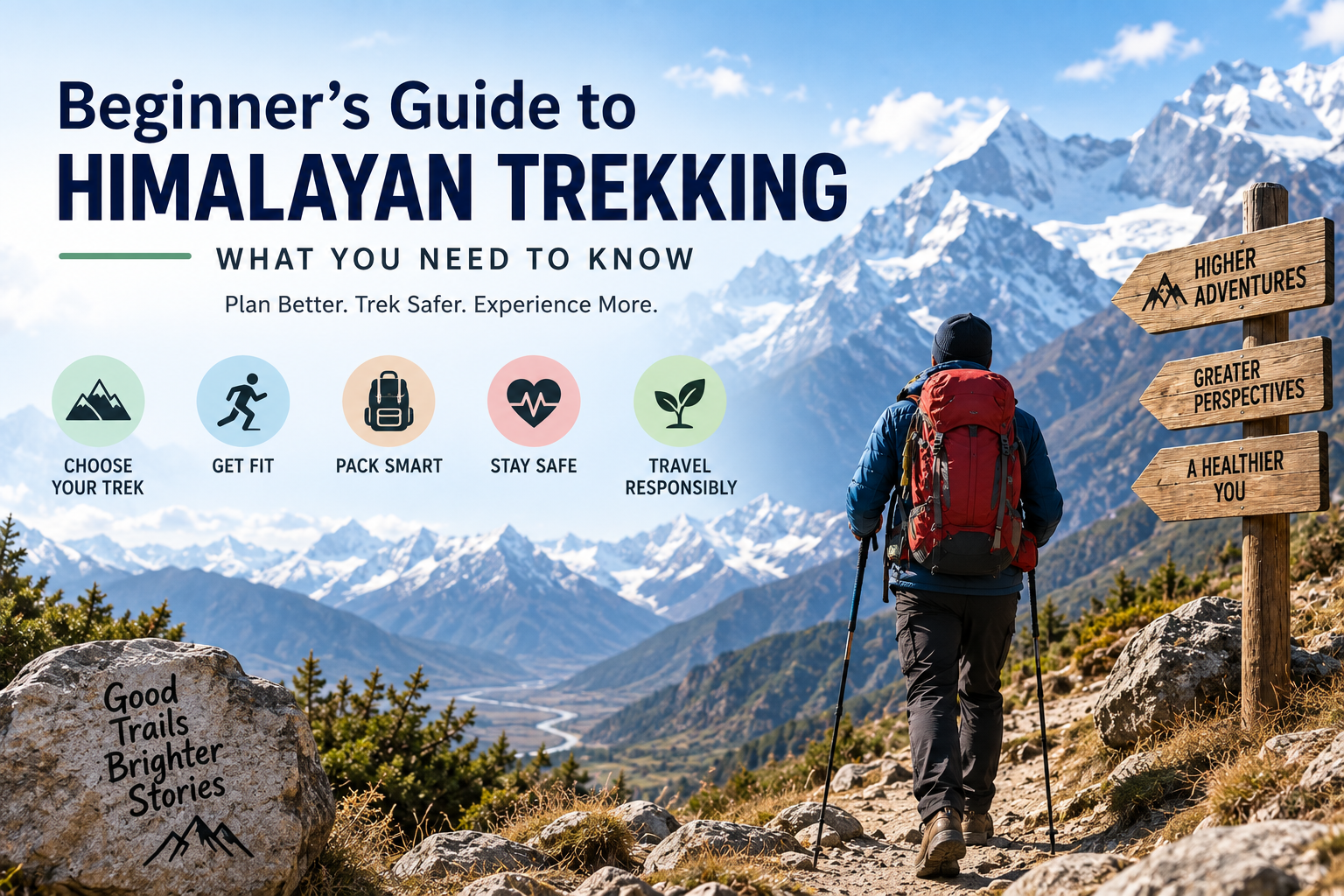
Himalayan trekking is an unforgettable way to experience some of India’s most spectacular mountain landscapes. From the valleys of Himachal Pradesh and Uttarakhand to the rugged terrain of Ladakh and Spiti Valley, the Himalayas offer trekking experiences for both beginners and experienced adventurers.
But a Himalayan trek requires more preparation than an ordinary holiday. Altitude, changing weather, steep terrain, long walking days, and limited facilities can make even a relatively short trek challenging.
If you’re planning your first Himalayan trekking adventure, this guide will help you understand what to expect and how to prepare.
What Makes Himalayan Trekking Different?
Himalayan trails can take you through forests, villages, meadows, rocky mountain paths, river crossings, and high-altitude landscapes within a single journey.
The biggest challenges for beginners are usually:
- Walking for several hours each day
- Steep ascents and descents
- Carrying a backpack
- Changing weather conditions
- Cold temperatures at higher elevations
- Reduced oxygen at altitude
- Limited access to medical facilities in remote areas
The difficulty of a trek depends on its altitude, duration, terrain, weather, and available infrastructure.
Choose a Trek That Matches Your Fitness Level
Your first trek should not necessarily be the highest or longest route you can find.
Before booking, consider:
- Total trekking distance
- Maximum altitude
- Number of trekking days
- Daily walking hours
- Elevation gain
- Terrain difficulty
- Weather conditions
- Availability of accommodation and emergency support
Beginners can start with shorter and lower-altitude trekking experiences before progressing to demanding high-altitude routes.
Salute Travels offers travel experiences across Himalayan destinations including Himachal Pradesh, Uttarakhand, Kashmir, Leh-Ladakh and Spiti Valley, along with trekking, camping and mountaineering activities.
Start Training Before Your Trek
You don’t need to be a professional athlete to enjoy a Himalayan trek, but basic physical preparation can make the experience much easier.
Build Your Endurance
Start with regular activities such as:
- Brisk walking
- Hiking
- Jogging
- Cycling
- Stair climbing
Gradually increase the duration and intensity of your workouts.
If possible, include longer weekend walks before your trip. This helps your body become comfortable with spending several hours on your feet.
Strengthen Your Legs
Mountain trekking places considerable demand on your legs.
Exercises such as:
- Squats
- Lunges
- Step-ups
- Calf raises
- Glute bridges
can help build strength for climbs and descents.
Core exercises are also useful for maintaining balance on uneven trails.
Prepare for Altitude
Altitude is one of the most important considerations when trekking in the Himalayas.
Above approximately 2,500 metres, some travelers may experience altitude-related symptoms, particularly when ascending quickly.
Possible symptoms include:
- Headache
- Nausea
- Dizziness
- Fatigue
- Reduced appetite
- Difficulty sleeping
Do not assume that good physical fitness eliminates the risk of altitude sickness.
The best approach is to allow your body time to acclimatize and avoid unnecessarily rapid gains in sleeping altitude.
If you develop significant or worsening symptoms, tell your guide or trekking companions and follow professional medical advice. Severe symptoms may require immediate descent and medical attention.
Pack the Right Trekking Gear
Packing correctly can make your trek significantly more comfortable.
Essential Clothing
Use layers so you can adjust your clothing as temperatures change.
Consider carrying:
- Moisture-wicking base layers
- Fleece or insulating mid-layer
- Waterproof and windproof jacket
- Trekking trousers
- Thermal wear for colder routes
- Warm gloves
- Wool or thermal socks
- Sun hat
- Warm cap
Trekking Equipment
Depending on the route, useful equipment may include:
- Comfortable trekking shoes
- Backpack
- Trekking poles
- Headlamp
- Water bottles
- Water purification method
- Sunglasses
- Sunscreen
- Personal first-aid kit
- Power bank
- Sleeping bag where required
Always check the specific equipment requirements for your chosen trek.
Break in Your Trekking Shoes
Never wear brand-new trekking shoes for the first time on a long Himalayan trail.
Wear them during training walks before your trip.
This allows you to identify:
- Blisters
- Pressure points
- Poor fit
- Slipping
- Lack of ankle support
Comfortable footwear is particularly important because you’ll spend hours walking over uneven surfaces.
Learn to Pack Light
A common beginner mistake is carrying too much.
Every additional kilogram becomes noticeable after several hours of climbing.
Prioritize essential items and avoid packing things you are unlikely to use.
A good rule is to choose lightweight, versatile equipment whenever possible.
If your trek includes porters, you should still keep your personal daypack manageable.
Stay Hydrated
Walking at altitude and in cold, dry mountain air can increase your fluid requirements.
Carry enough water for the day’s route and drink regularly throughout the day.
Don’t wait until you’re extremely thirsty.
At the same time, avoid forcing excessive amounts of water. Your hydration needs depend on factors such as temperature, exertion, and individual requirements.
For remote trails, carry an appropriate method of treating or purifying water.
Eat for Energy
Trekking can burn considerably more energy than a normal sightseeing trip.
Your meals should provide a combination of:
- Carbohydrates
- Protein
- Healthy fats
- Fruits and vegetables
- Adequate fluids
Carry easy-to-eat snacks such as nuts, dried fruit, energy bars, or other foods that suit your dietary needs.
Don’t skip meals simply because you aren’t feeling very hungry at altitude.
Learn to Walk at a Sustainable Pace
One of the biggest beginner mistakes is starting too quickly.
Mountain trekking isn’t a race.
Use a comfortable pace that allows you to keep moving without exhausting yourself early in the day.
Take short, regular breaks rather than waiting until you’re completely exhausted.
Your goal should be to finish the day’s route with enough energy to recover for the next day.
Prepare for Changing Weather
Mountain weather can change rapidly.
A sunny morning can turn into rain, strong winds, or cold conditions later in the day.
Always check the weather forecast before starting a trekking day and carry appropriate protection.
Waterproof layers are particularly useful because getting wet in cold conditions can make the trek considerably more uncomfortable.
Protect Yourself From the Sun
UV exposure can be intense at higher elevations, particularly around snow-covered terrain.
Carry:
- Sunscreen
- UV-protective sunglasses
- Hat or cap
- Lip balm with sun protection
Apply sunscreen regularly during long days outdoors.
Don’t Ignore Your Body
Listen to how you feel throughout the trek.
Persistent exhaustion, dizziness, nausea, unusual headaches, or breathing difficulties should not simply be dismissed as part of the adventure.
Tell your guide or trekking companions if you’re feeling unwell.
If conditions become unsafe or your health deteriorates, changing the itinerary or turning back is a responsible decision.
Trek With an Experienced Guide
For beginners, an experienced local guide can make a major difference, especially on unfamiliar or remote trails.
A guide can assist with:
- Route navigation
- Weather decisions
- Pace and rest planning
- Local accommodation
- Transportation
- Communication
- Emergency situations
- Understanding local customs
This can allow first-time trekkers to focus more on enjoying the experience rather than worrying about logistics.
Respect the Mountains and Local Communities
Himalayan trekking isn’t only about reaching a viewpoint or completing a route.
You may pass through villages, monasteries, forests, wildlife habitats, and culturally significant areas.
Travel responsibly by:
- Avoiding litter
- Carrying waste back when required
- Respecting local customs
- Asking before photographing people
- Staying on designated trails
- Avoiding unnecessary disturbance to wildlife
- Using water responsibly
Responsible tourism helps preserve these destinations for future travelers.
Keep Your First Trek Flexible
Mountain travel rarely goes exactly according to plan.
Snow, rain, road conditions, landslides, trail closures, or unexpected fatigue can change an itinerary.
Avoid creating a schedule that leaves no room for delays.
A little flexibility can prevent a minor disruption from becoming a major problem.
Himalayan Trekking Destinations for Beginners
Depending on your experience and fitness level, you can explore different Himalayan regions as your trekking journey develops.
Himachal Pradesh
Himachal combines mountain scenery, forests, villages, and adventure activities. It can be a convenient region for travelers looking to begin exploring the Himalayas.
Uttarakhand
Uttarakhand offers a wide range of trekking and pilgrimage routes through the Garhwal and Kumaon Himalayas.
Some routes can also combine trekking with spiritual and cultural experiences.
Kashmir
Kashmir offers beautiful mountain landscapes, alpine meadows, valleys, and trekking opportunities that can appeal to travelers looking for scenic Himalayan experiences.
Ladakh
Ladakh provides dramatic high-altitude landscapes and challenging trekking opportunities. However, altitude preparation becomes particularly important here.
Spiti Valley
Spiti offers rugged landscapes, remote villages, monasteries, and high-altitude terrain. Travelers should plan carefully because of the remote nature of many areas.
Salute Travels lists Leh-Ladakh, Spiti Valley, Himachal Pradesh and Uttarakhand among its destinations, making these useful regions to explore when planning a Himalayan adventure.
Beginner’s Himalayan Trekking Checklist
Before leaving, make sure you have:
- Comfortable broken-in trekking shoes
- Backpack
- Layered clothing
- Waterproof jacket
- Warm clothing appropriate for the route
- Water bottles
- Snacks
- Sunscreen
- Sunglasses
- First-aid supplies
- Personal medications
- Headlamp
- Power bank
- Required identification and permits
- Emergency contact information
Check your trek operator’s specific packing list before departure because requirements vary by route.
Final Thoughts
Your first Himalayan trek doesn’t need to be the longest, highest, or most difficult adventure. The best starting point is a route that matches your fitness, experience, available time, and comfort level.
Prepare your body, pack intelligently, acclimatize gradually, respect the weather, and listen to your guide and your own body.
The Himalayas aren’t going anywhere. Take your time, travel responsibly, and focus on enjoying the journey—not simply reaching the destination.