India’s cruise tourism is on the brink of a major transformation with the government’s announcement of 51 new cruise circuits along 14 states and 3 Union Territories by 2027. This initiative under the Cruise Bharat Mission signals a significant boost to the sector, attracting international attention and investment, including Viking Cruises’ entry into India’s river cruise market.
Overview of Cruise Bharat Mission
The Cruise Bharat Mission is a transformative initiative, designed with the express purpose of elevating India’s cruise tourism into a thriving and competitive sector on the global stage. This visionary vision aims to redefine the country’s cruising landscape by establishing 51 new circuits that traverse diverse cultural and geographical terrains across 14 states and three Union Territories. The mission’s objectives are manifold, with the primary aim being to develop a robust cruise tourism framework that resonates with both local and international audiences.
One of the cornerstone objectives of the Cruise Bharat Mission is to bring the untapped potential of inland and coastal cruising in India to the forefront. This endeavor seeks to utilize the country’s vast and varied waterways, accentuating its natural beauty and cultural richness. By doing so, the mission aspires to position India as a premier cruise tourism destination and significantly contribute to the broader tourism industry.
A substantial portion of the mission’s success hinges on government efforts to incentivize investment and bolster infrastructure across these circuits. Planned investments are earmarked for developing world-class infrastructure, including modern ports, dedicated cruise terminals, efficient customs clearances, and heightened security measures. This infrastructure upgrade is critical to improving the overall cruising experience, ensuring it meets international standards with enhanced safety, comfort, and convenience for travelers.
The impact of this initiative on cruise tourism in 14 states and 3 Union Territories promises to be transformative. Each region offers distinct cultural nuances and natural wonders, allowing travelers to experience India’s diversity in its purest form. Whether it’s the serene backwaters of Kerala, the opulent palaces of Rajasthan, or the pristine beaches of Goa, each circuit will offer unique experiences that capture the essence of India’s heritage and natural beauty.
The mission’s focus extends beyond just infrastructure – it aims to stimulate economic growth in these regions by creating job opportunities and fostering local entrepreneurship. By nurturing local businesses, artisans, and vendors tied to the tourism sector, the Cruise Bharat Mission is poised to propel economic dynamism in the areas it touches. This ripple effect of economic growth is expected to elevate the standard of living for local communities and drive further socio-economic progress.
Another key aspect of the mission is the strategic collaboration between public and private sectors, encouraging a harmonious synergy to drive the project forward. Incentives and policy support from the government are expected to attract private investments, tapping into global cruise operators interested in exploring the Indian market. These partnerships are crucial to infusing the sector with cutting-edge expertise and innovative practices.
The cruising experience for tourists will be substantially enhanced through these efforts. For international tourists, it will mean embarking on a seamless journey through India’s majestic landscapes and immemorial cultures. For domestic travelers, it will offer an accessible and novel way to explore the vast and varied country. The mission emphasizes sustainable tourism practices, ensuring that growth in this sector does not adversely impact the environment and local communities.
Integral to achieving the mission’s objectives are the planned investments that encompass a holistic approach: integrating dedicated cruise terminals, improving navigation systems, enhancing service standards, and implementing eco-friendly initiatives. These strategic enhancements aim to cement India’s reputation as a responsible and attractive cruise tourism hub.
Beyond the technical and infrastructural improvements, the Cruise Bharat Mission is a monumental cultural hymn to India’s incredible diversity. The mission seeks to narrate the stories of the land and its people, allowing tourists to embark on a journey that is as much about self-discovery as it is about sightseeing. By spotlighting the oft-overlooked regions and connecting them through well-organized circuits, the initiative aspires to offer experiential travel – a key trend in modern tourism.
The careful planning and strategic vision of the Cruise Bharat Mission are designed to attract a wide demographic, spanning families, adventure seekers, cultural enthusiasts, and luxury travelers. The approach is inclusive, aiming to offer diverse cruising experiences ranging from luxury liners to intimate river cruises. By broadening the appeal of cruise tourism, India hopes to capture a significant share of the global cruise market.
An important aspect of the mission is the digital infrastructure development aimed at enhancing tourist engagement and convenience. The plan includes creating user-friendly platforms for booking and information sharing, leveraging technology to offer personalized and streamlined experiences. This focus on digital transformation aligns with India’s broader push towards digitizing its tourism infrastructure.
As India sets its sights on becoming a leading cruise tourism destination through the Cruise Bharat Mission, the implications are immense. Whether it’s through creative marketing strategies, public-private partnerships, or community involvement, the mission stands as a testament to India’s commitment to marrying heritage with modernity. It charts a course for sustainable growth that not only enriches the tourism sector but also invigorates the regional economies linked to each circuit.
The Cruise Bharat Mission, with its ambitious vision and strategic execution, positions India to not just enter but excel in the global cruise tourism arena. With meticulous planning, robust government support, and active stakeholder participation, the mission is poised to create a cruising experience that invites the world to discover India’s treasures from a unique vantage point – the waterways that have cradled its civilization for centuries.
For more insights on enhancing infrastructure and driving tourism, this guide on digital marketing power could provide additional perspectives on embracing transformal strategies for growth.
Viking Cruises and the River Cruise Market
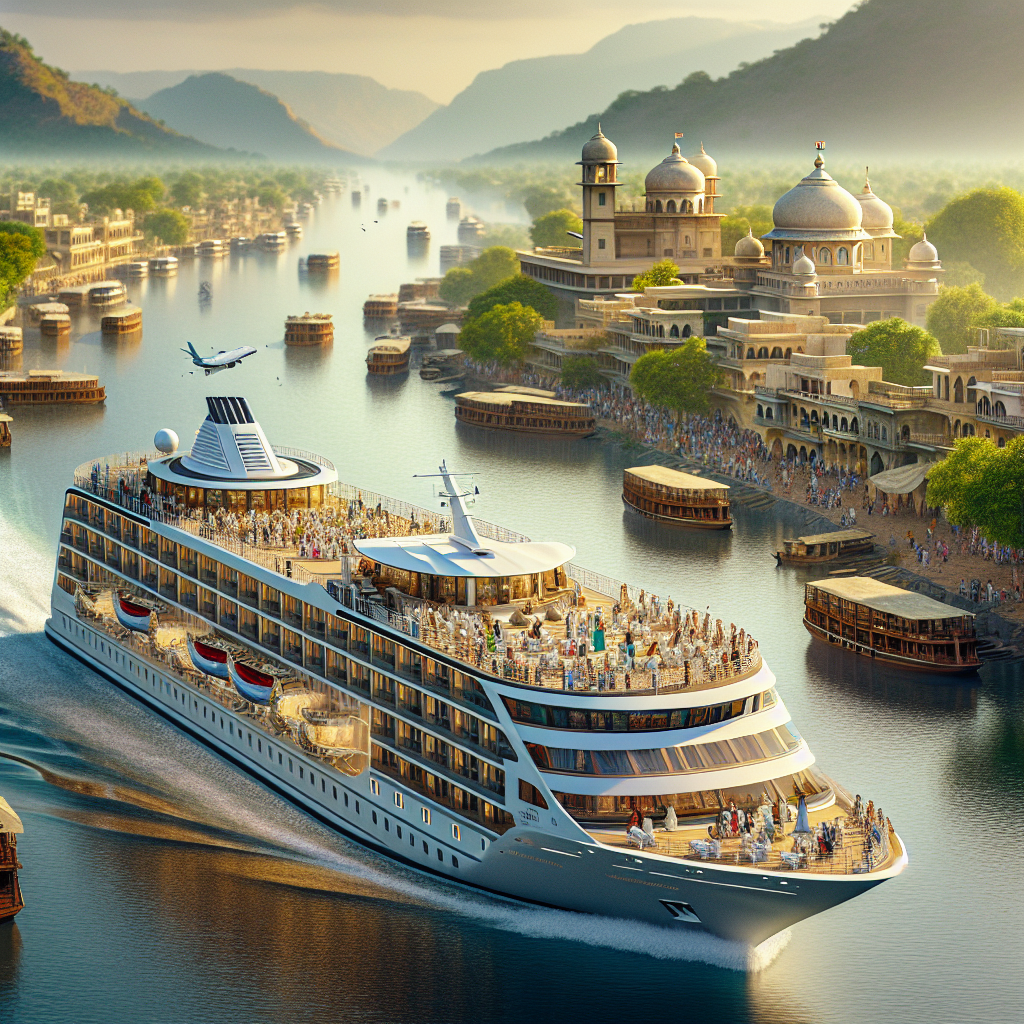
The entrance of a renowned cruise line into India’s river cruise market has sparked excitement and anticipation. This bold move is set to transform India’s inland waterways tourism landscape. The significance of the Viking Brahmaputra is immense, as it represents a new era in river cruising for the country. This venture aims to offer local and international tourists an experience comparable to European river cruises, yet distinct with its unique Indian cultural touch.
The Viking Brahmaputra will navigate the mighty Brahmaputra River, providing a unique view of the diverse and vibrant life along its banks. This move aligns with broader efforts to enhance river cruises, making them a cornerstone of India’s tourism strategy. The company’s decision to focus on National Waterway-2 highlights the potential that India’s inland waterways hold for tourism expansion. This waterway, running through the northeast, is rich in natural beauty and cultural heritage, offering passengers an unparalleled journey.
A significant aspect of this venture is the collaboration with Hooghly Cochin Shipyard Limited. This partnership combines international cruise expertise with Indian shipbuilding prowess, ensuring that the Viking Brahmaputra will be a state-of-the-art vessel. Such collaborations boost local industries and represent a critical step in building India’s reputation as a hub for world-class river cruising.
The operations planned for National Waterway-2 promise substantial benefits. The introduction of luxury river cruises is expected to create numerous employment opportunities, from onboard crew to local guides and shore excursion providers. Moreover, the focus on sustainable tourism practices ensures that the economic gains do not come at the expense of the environment or local communities. As responsible tourism becomes increasingly vital, the Viking Brahmaputra’s operations prioritize minimizing ecological impact while maximizing visitor engagement with local cultures.
The local economy stands to gain considerably from the introduction of river cruises on the Brahmaputra. Local artisans and small businesses will find new markets for their products, with passengers eager to purchase unique souvenirs and experience local cuisine. Communities along the river will likely see improved infrastructure and greater economic activity as they prepare to host a new wave of tourists.
Tourism sector sustainability is another critical factor in this endeavor. The project underscores the importance of balancing development with preserving cultural and natural resources. This balance is essential for ensuring that the positive impacts of tourism last well into the future. By adhering to principles of sustainable tourism, the project sets an example for other cruise operations.
Additionally, river cruising offers a more environmentally friendly option compared to traditional tourism. The gentle pace of a river cruise reduces carbon emissions compared to more energy-intensive forms of travel. This environmentally conscious approach aligns well with global trends towards green tourism, enhancing the appeal of India’s river cruises to eco-aware travelers.
The collaboration with Hooghly Cochin Shipyard Limited also highlights the potential for synergistic relationships between international companies and local entities. Such collaborations serve as catalysts for technology transfer and industry advancements. The expertise shared through these partnerships contributes to the modernization of India’s shipbuilding capabilities, providing long-term benefits beyond the cruise industry.
For local tourism operators, the arrival of a major cruise player represents opportunities to integrate with the global tourism network. Local tour operators have the chance to offer tailored excursions that showcase the region’s unique natural and cultural attributes. This integration benefits operators by connecting them with an international clientele seeking bespoke experiences that larger tour packages cannot offer.
The momentum generated by the Viking Brahmaputra can spur further investments. This scenario is particularly true for the region’s tourism infrastructure, facilitating better access and improving tourist amenities. As more tourists are drawn to the northeast, improved transport links and accommodations are likely to follow, further enhancing the appeal of river cruising.
By introducing sophisticated river cruises to India’s waterways, this venture is poised to push the envelope. It sets new standards for luxury and innovation in the tourism sector, promising an unmatched experience for travelers. The Viking Brahmaputra signifies more than just a new cruise vessel; it embodies a transformative journey for India’s tourism landscape. This effort contributes substantially to broader objectives, including the expansion of digital marketing strategies for attracting a global audience.
In conclusion, the Viking Brahmaputra is more than a flagship cruise; it represents a strategic catalyst for India’s river cruise industry. It combines luxury with sustainability, promising enriching cultural experiences while fostering economic growth along National Waterway-2. The significance of this project is multifaceted, benefiting the local economy, enhancing tourism offerings, and contributing to sustainable travel practices. Through strategic partnerships and innovative approaches, India’s river cruising market is set for remarkable growth, capturing the world’s attention and elevating India’s position in global tourism. As cruising becomes a central pillar of India’s tourism strategy, it sets the stage for significant future developments in infrastructure and economic synergies across regions.
The Development of Cruise Terminals and Infrastructure
The rapid growth of cruise tourism in India is anchored in robust infrastructure developments across the nation, catalyzing a significant expansion in the sector. The rise from just five vessels in operation on national waterways in the fiscal year 2013-14 to an anticipated 25 vessels in 2024-25 is a testament to this transformation. These developments are not only expanding the capacity for cruise tourism but are also laying the groundwork for substantial economic and social benefits.
The Inland Waterways Authority of India (IWAI) is executing an ambitious plan to establish new cruise terminals in key locations: Varanasi, Guwahati, Kolkata, Patna, and the northeast region. These terminals are pivotal in supporting the increasing number of vessels and enhancing the overall tourist experience. Each location chosen for terminal development is strategically significant, not only in terms of its geographic placement but also because of its cultural and historical importance, promising to attract both domestic and international tourists.
Varanasi, for example, is famed for its spiritual ambiance and ancient history. The establishment of a cruise terminal here would facilitate an influx of tourists eager to explore the sacred Ganges river and its banks that are steeped in myth and tradition. Similarly, Kolkata, with its colonial heritage and vibrant culture, offers a distinct cruising experience along the Hooghly River, which could be enhanced significantly with improved terminal facilities.
The terminals in Guwahati and other parts of the northeast will open the doors to previously less accessible regions, showcasing the untouched natural beauty and ethnic diversity of the area. These developments coincide with the government’s vision of promoting tourism in less explored regions, thereby ensuring balanced regional economic growth.
The infrastructure expansion is not just about terminals. It also encompasses enhancements in navigational aids, dredging to ensure smooth passage, and investment in environmentally sustainable technologies to balance economic growth with ecological preservation. These improvements are integral to creating a seamless and enjoyable journey for tourists, which is essential for sustaining the growth of cruise tourism.
Economic benefits from these developments are manifold. Job creation in sectors such as hospitality, transport, and local crafts is expected to be significant. Enhanced infrastructure will likely lead to increased tourist numbers, which will further stimulate local economies. The ripple effects of this economic boost are expected to extend well beyond the tourism sector itself, encouraging ancillary businesses and infrastructure investments, which are crucial for sustained economic development.
Socially, the development of cruise tourism infrastructure can lead to improved quality of life for local communities. Increased business opportunities and employment will facilitate better income distributions. The spotlight on lesser-known regions can also lead to improved infrastructure, such as better roads and utilities, benefiting local residents.
The growth in cruise tourism infrastructure aligns with broader national goals of sustainable and inclusive growth. Authorities are increasingly focusing on environmentally friendly practices, such as using clean fuel alternatives for vessels and preserving the ecological balance of national waterways. This commitment to sustainability is important in preserving India’s rich natural environment, which is a major draw for tourists.
Cruise terminals are expected to become hubs of activity, not merely through the docking of cruise ships but as focal points for entertainment, dining, and cultural activities. This can foster a vibrant atmosphere for both tourists and locals, offering avenues for cultural exchange and community engagement, enhancing social harmony and understanding.
Investment in infrastructure development is also an acknowledgment of the long-term value of cruise tourism. The visionary plans by IWAI highlight the importance of a planned approach to unlocking the country’s potential in inland waterway tourism. As each terminal becomes operational, the increase in cruising capacity will likely lead to a diverse range of itineraries, catering to various interests and ensuring repeat visits by tourists drawn to India’s scenic rivers and vibrant cultures.
While the focus remains on developing these critical terminals, there’s also a parallel need to ensure training and skill enhancement for the local workforce involved in these operations. Educational initiatives to train personnel in hospitality, customer service, and environmental management will be essential in maintaining high standards of service and operational efficiency.
Finally, these developments can facilitate a stronger global presence for India’s cruise industry. As facilities align with international standards, the potential to attract more international cruise lines grows. This not only boosts tourist numbers but also enhances India’s reputation as a desirable cruise destination, fostering global tourism partnerships and collaborations.
By strategically investing in infrastructure and proactively addressing sustainability, India is not only enhancing its tourism appeal but also safeguarding the interests of its communities and ecosystems. Such comprehensive development promises a more inclusive and economically prosperous future for the nation’s cruise tourism sector, setting a precedent for responsible and balanced growth. These efforts not only underscore a commitment to tourism excellence but also reflect a broader national priority to integrate tourism as a mainstay of the economic development agenda.
For insights into the importance of technology and innovation in the growth of industries, one can explore topics such as AI market trends and their intersections with sectors like tourism.
Final words
India’s ambitious Cruise Bharat Mission aims to revolutionize cruise tourism with 51 new circuits by 2027. The initiative alongside infrastructure development and global players like Viking Cruises is set to expand opportunities in the sector. This expansion will likely bring socioeconomic benefits by enhancing connectivity, tourism, and local economies, positioning India as a key player in the global cruise industry.